Electric vs Petrol Pressure Washers for Home Projects
Choosing between an electric and petrol pressure washer depends on what you need to clean, how often you use it and the access around your property. For many Newcastle households, an electric model handles routine patio, garden furniture and vehicle cleaning. Petrol machines make more sense for extensive hard surfaces or locations without convenient electrical access.
Electric Pressure Washers: Convenient for Routine Cleaning
Electric pressure washers are generally lighter, quieter and simpler to maintain than petrol alternatives. Plug-in models need a suitable water supply and protected electrical connection, but there is no fuel to store or engine oil to change.
Many domestic machines advertise maximum pressures around 100–150 bar. However, maximum pressure is not the same as continuous working pressure, so compare rated performance rather than headline numbers alone.
Where Electric Models Work Best
An electric washer is usually a practical choice for smaller Newcastle patios, outdoor furniture, bins and occasional driveway maintenance. Adjustable pressure and appropriate accessories also make these machines useful for vehicles and some timber surfaces, provided you follow the surface manufacturer’s cleaning guidance.
The main limitations are cable reach, water flow and suitability for prolonged use. Check the machine’s duty-cycle guidance, and use extension leads only where permitted by the manufacturer. Any lead must be correctly rated, suitable for outdoor use and fully unwound.
Petrol Pressure Washers: Greater Independence and Cleaning Capacity
Petrol pressure washers do not need a mains electrical connection. Many offer higher water flow and greater working pressure than entry-level electric machines, making them useful for large driveways and extensive areas of sound concrete.
However, petrol does not automatically mean better cleaning. Performance varies between models, and excessive pressure can damage paving, mortar and timber. Petrol machines are also typically heavier, noisier and more demanding to maintain, with fuel, engine servicing and storage adding to ownership costs.
Always operate petrol equipment outdoors, well away from doors, windows and air intakes. Never run it inside a garage or other enclosed space because exhaust fumes contain carbon monoxide.
Compare More Than Pressure
- Working pressure: Look for adjustable output that suits your surfaces, rather than choosing the highest advertised bar rating.
- Water flow: Higher litres per minute can help move dirt and rinse larger areas faster. Your water supply must meet the machine’s requirements.
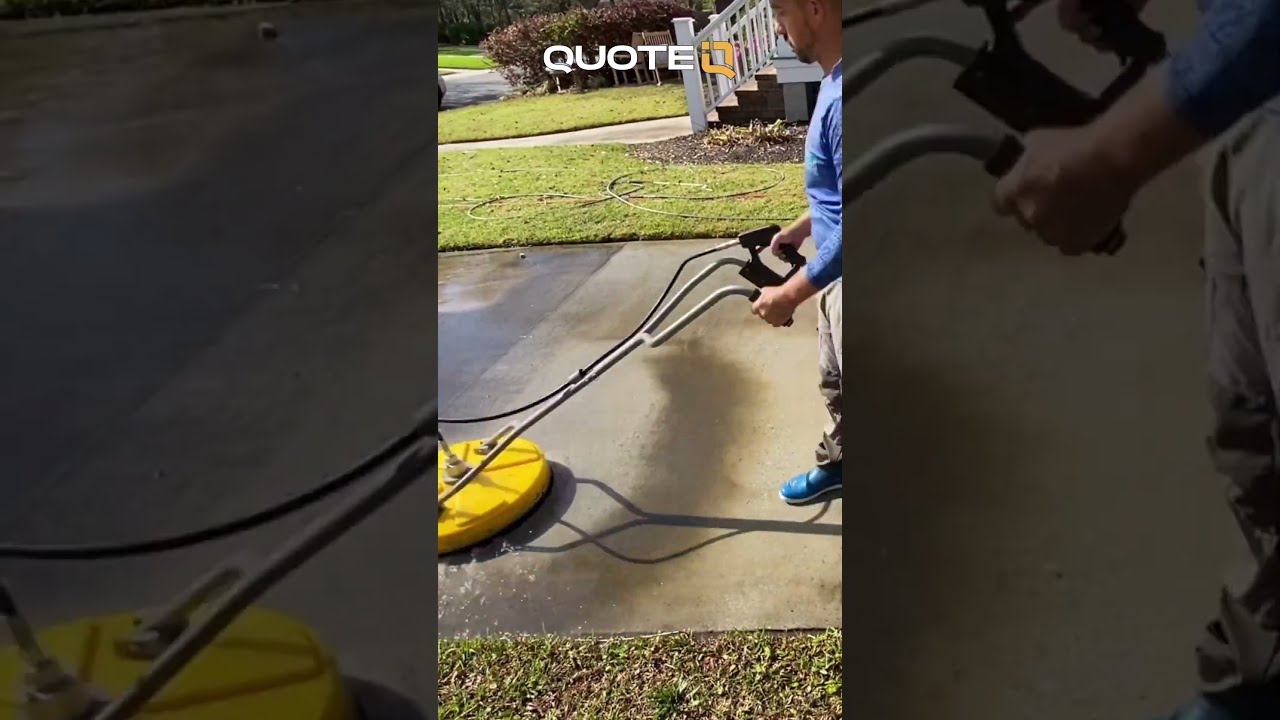
- Accessories: A compatible surface cleaner can improve consistency on suitable paving and reduce splashing.
- Total cost: Include accessories, servicing, fuel or electricity, and any hire charges.
- Practical access: Check hose length, storage space, machine weight and the position of your outdoor tap.
Safe Cleaning for Newcastle Homes
Inspect surfaces before starting, particularly older brickwork, loose pointing and damaged paving. Test an inconspicuous area using low pressure, a wide spray pattern and the manufacturer’s recommended distance. Avoid directing water into vents, electrical fittings or gaps around windows.
Use RCD protection for mains-powered equipment, keep connections dry and wear eye protection and sturdy, slip-resistant footwear. Never pressure wash suspected asbestos-containing materials or work from a ladder while holding the lance.
Plan where wastewater will go. Do not wash detergent, oil or contaminated sediment into surface-water drains. Check current local requirements and any water-use restrictions before beginning.
Which Should You Choose?
Choose electric for manageable, occasional home cleaning; consider petrol for larger, demanding jobs where its extra capacity is genuinely useful. Hiring can be more economical than buying for a one-off project. For delicate surfaces, extensive staining or https://pressurecleaningnewcastle.com.au/sanitation-cleaning/ difficult drainage, a professional Newcastle pressure washing service can assess the surface and select a suitable cleaning method—not simply apply more pressure.
Newcastle Pressure Cleaning Experts
(02) 4082 8401